
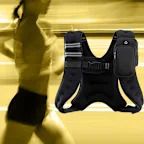
If you've noticed people wearing weighted vests on walks or during workouts, you're seeing a fitness trend on the rise. These vests offer a simple way to add resistance to everyday activities, increasing the challenge of movements like walking to help maintain muscle mass without heavy equipment.
While trainers have used them for years, weighted vests are now hitting the mainstream. Experts explain their benefits: board-certified spine surgeon Dr. Saad Chaudhary emphasizes that strength training is crucial for women as they age to counteract muscle loss and bone density reduction. Weighted vests can stimulate muscle synthesis and combat bone loss by creating mechanical stress.
Physical therapist Dan Ginader notes that weighted vests are an accessible way to add resistance to bodyweight exercises at home. ACE-certified trainer Alex Silver-Fagan calls them an underrated tool that makes resistance training more accessible, helping with strength, posture, and stability.
The vests work by increasing load on the torso and bones, which stimulates bone-forming cells and strengthens core and lower-body muscles to improve balance and reduce fall risk. They are particularly beneficial for postmenopausal women, those with osteopenia, older adults, or anyone with limited gym access.
Experts advise starting safely: begin with a light vest (2-5% of body weight), avoid high-impact movements, and gradually increase duration. They are not a complete replacement for the gym but enhance existing routines. For those with injuries or joint concerns, consulting a medical expert first is crucial.
Ultimately, weighted vests offer a practical way to strengthen muscles and bones gently, making them a worthwhile addition for many seeking to age better.