
Short on time? New research indicates that even minimal weekly resistance training—about one hour total—is linked to significantly lower mortality rates and reduced risk of heart disease and cancer. A practical way to achieve this is with a focused 15-minute workout done four days a week.
Experts emphasize that the effectiveness of these "exercise snacks" hinges on selecting compound movements that train multiple muscle groups simultaneously. "Fifteen minutes is enough to meaningfully move the needle if you choose the right patterns," says physical therapist Devin Trachman. The key is to structure your session around four foundational movement patterns: Hinge, Squat, Push, and Pull.
How to Structure Your 15-Minute Circuit: Organize the four exercises into a circuit with minimal rest. Beginners can work for 40 seconds and rest for 20 seconds per move, aiming for 2-3 rounds. Intermediate and advanced exercisers can perform 8-12 or 6-8 reps per exercise, respectively, with short rests, completing 3-4 rounds.
The 4 Essential Moves:
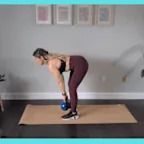
1. Romanian Deadlift (Hinge): Targets hamstrings and glutes, reinforcing a strong hip hinge to protect your back. Hold dumbbells or a kettlebell, hinge at the hips while keeping your back flat.
2. Goblet Squat (Squat): Strengthens quads, glutes, and core. Holding a weight at your chest promotes an upright torso, making it practical for daily movement.
3. Chest-Supported Row or Banded Row (Pull): Counters hunched posture by strengthening the upper back. Use a bench or resistance band to focus on squeezing shoulder blades together.
4. Incline Push-Up or Dumbbell Press (Push): Works chest, shoulders, triceps, and core. Incline push-ups are a scalable starting point before progressing to floor push-ups or weighted presses.
For maximum effect, prioritize controlled form over speed, choose challenging weights, and aim to complete this circuit 2-4 times per week. Consistency with these focused sessions can build strength, support joint health, and contribute to long-term wellness.