
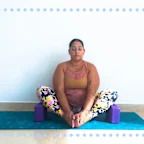
If shutting off your mind at night feels impossible, you're not alone. Swapping active yoga for a gentle bedtime routine can help you get the rest you need. "Gentle evening yoga gives your buzzing mind something to focus on while releasing stored tension," says yoga teacher Jem Mantiri. The combination of slow movement and breathwork signals to your system that it’s safe to shift gears.
Yoga expert Brent Laffoon recommends focusing on reclined twists and passive hip openers to relax your mind and body, rather than energizing poses. This practice helps settle your thoughts, balance your nervous system, and shift you from "fight or flight" into "rest and digest" mode.
If you're new to yoga, listen to your body and never force a pose. Use props like blocks, straps, and blankets for support and proper alignment. The goal is to meet your edge with kindness.
Five Poses for Better Sleep:
1. Child's Pose (Balasana): An excellent start and end to any practice. Kneel, sit back on your heels, and fold forward, stretching your arms out. Breathe deeply to lengthen your spine.
2. Reclining Bound Angle Pose (Supta Baddha Konasana): Lie on your back, bring the soles of your feet together, and let your knees fall open. This pose releases tension in the hips and inner thighs.
3. Reclined Pigeon (Supta Kapotasana): Lie on your back, cross one ankle over the opposite thigh, and gently pull the grounded leg toward your chest. A great hip opener for lower back relief.
4. Legs Up the Wall (Viparita Karani): Sit sideways next to a wall, swing your legs up, and rest them straight against it. Promotes circulation and releases hip and lower back tension.
5. Modified Plow Pose (Halasana): A gentle inversion. From your back, lift your hips and guide your legs over your head. Use a chair for support if needed. Consult an instructor for your first attempt.
A short 10-15 minute routine right before bed is perfect. Focus on easy stretches, long holds, and steady breathing to create a transition from day to sleep. Yoga works best as a partner to your existing health routine, not a replacement for professional medical advice or treatment.